Travellers with fifteen days almost always ask the same question: what else can we add? Our answer is usually nothing. The fifteenth day is better spent slowing the circuit down than stretching it further. A good fifteen-day route has fewer stops than a bad ten-day one.
What the slower version actually changes
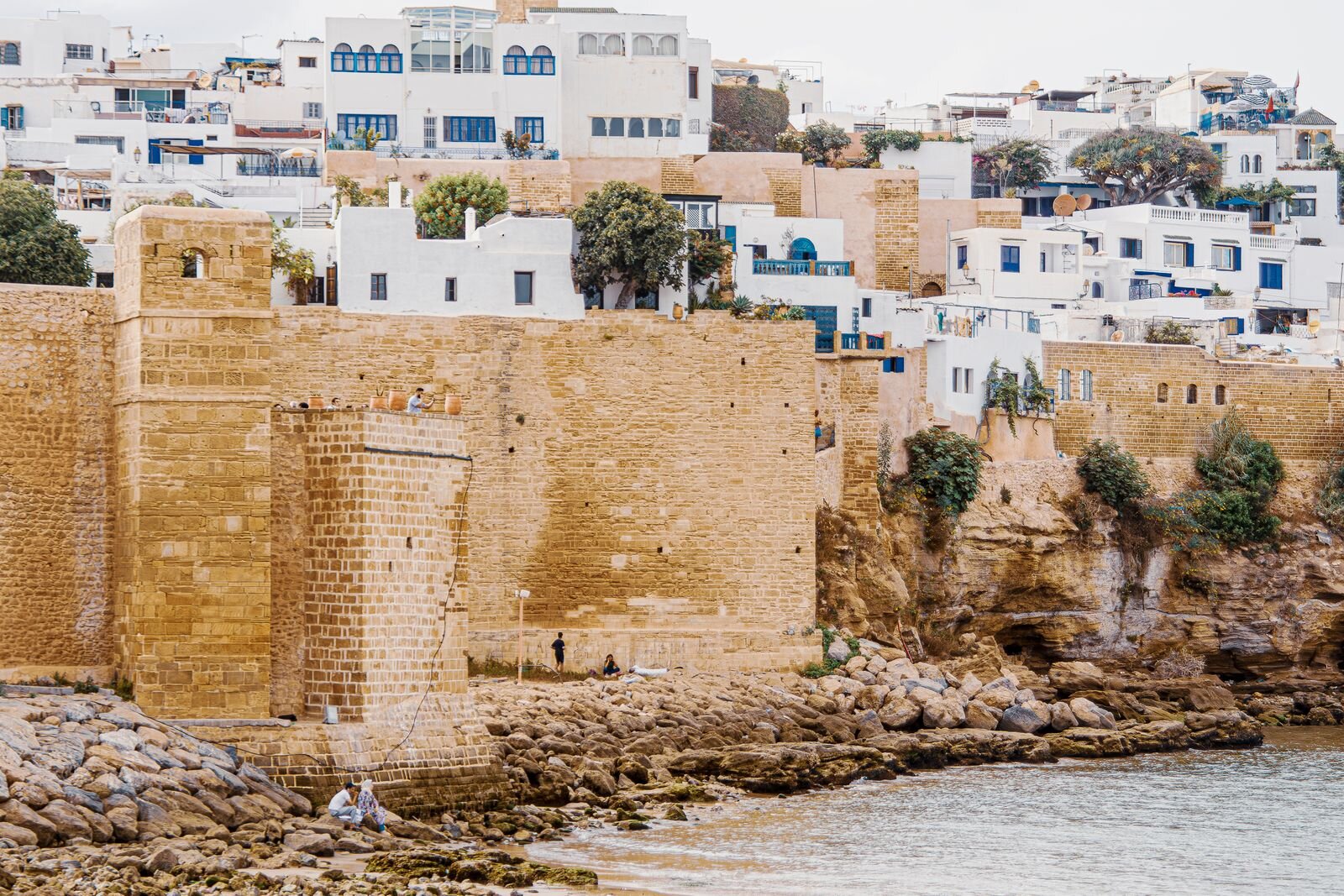
The extra night goes to Rabat, which on shorter itineraries is a two-hour stop between Casablanca and the Rif — a shame, because it is a UNESCO World Heritage city, inscribed in 2012, with a Roman and Merinid necropolis at Chellah, the Kasbah of the Udayas above the river mouth, and the Hassan Tower, the unfinished minaret of a mosque begun in 1184. It deserves an evening and a morning rather than a photo stop.
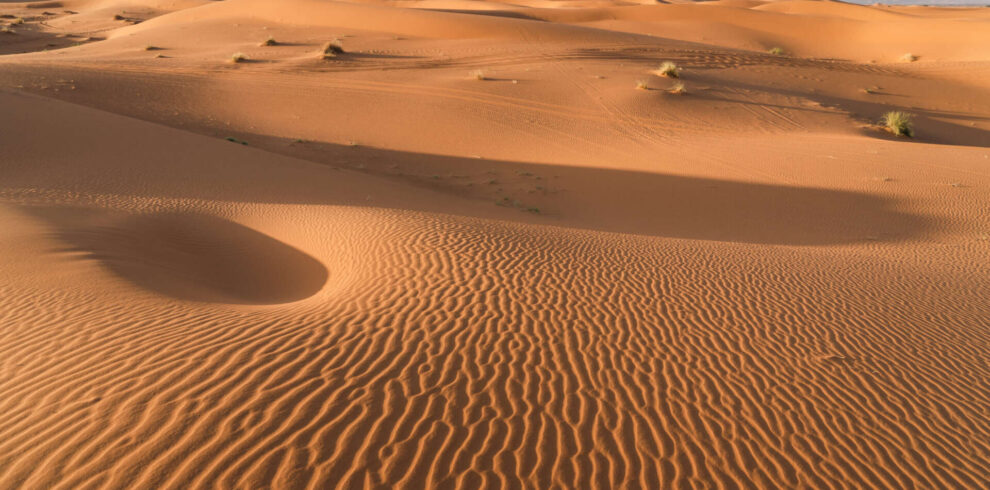
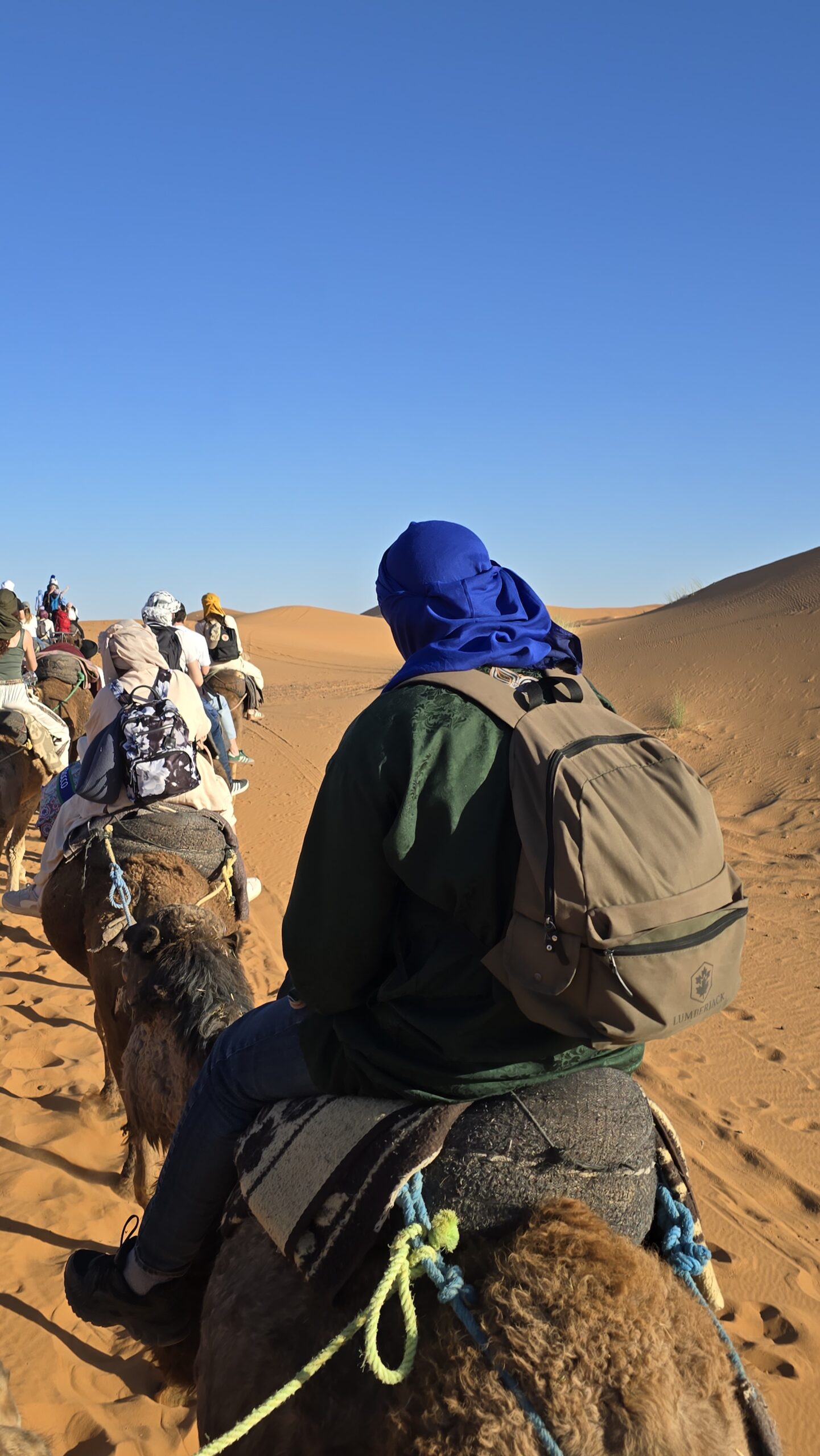
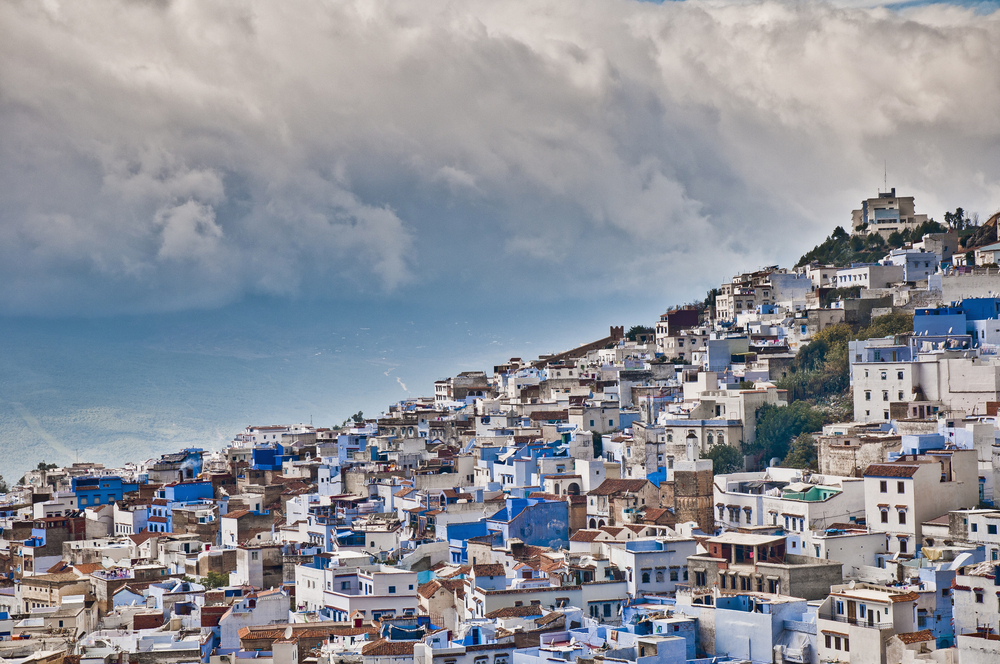
Everything else is the full grand circuit with two nights in each city: Chefchaouen, Fes, Marrakech, and two nights in the Erg Chebbi dunes. You unpack once per place. You see every city at two different hours of the day. And there is slack in the schedule, which on a fifteen-day trip is not waste — it is the thing that absorbs a late flight, a stomach upset, or a morning you would rather spend doing nothing.
The route
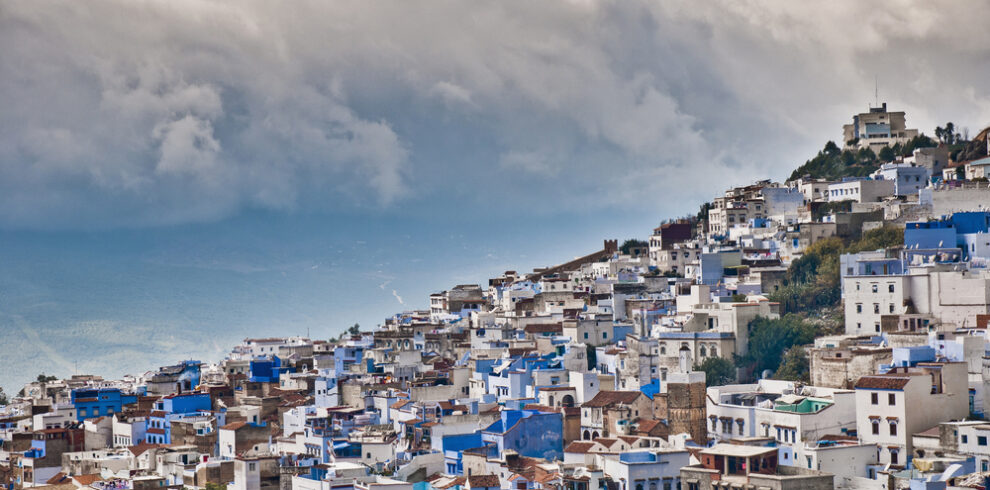
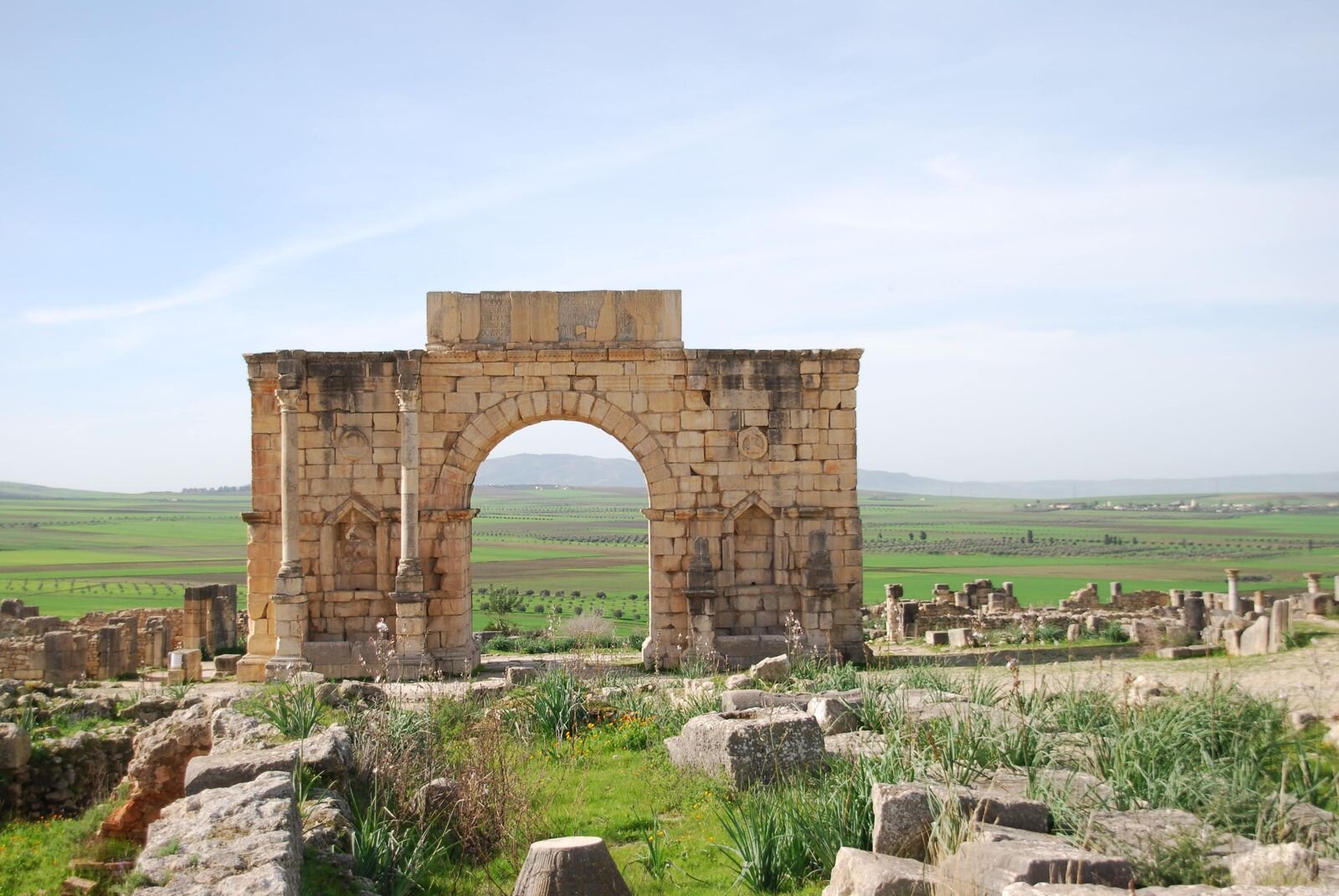
Casablanca in, Marrakech out, anticlockwise. North up the coast to Rabat, into the Rif for Chefchaouen, south past Roman Volubilis — UNESCO-listed since 1997, mosaics still in the ground — and imperial Meknes to Fes. Down the Ziz Valley to Merzouga and the dunes. West through the Todra Gorge, the Dades Valley and Ait Ben Haddou to Marrakech. Then the High Atlas at Imlil, below Mount Toubkal at 4,167 m, and the Atlantic at Essaouira, UNESCO-listed since 2001.
If you would rather add than slow down
Two honest alternatives. You can add the Atlantic south — Taroudant and the coast below Essaouira — which is quiet and under-visited; note that Agadir was rebuilt after the 1960 earthquake and has no old town to see, so go for the coast rather than the city. Or you can add a second desert, the Draa Valley and Erg Chegaga reached by 4×4. We will build either. Our fifteen-day itinerary guide sets out all three options side by side and says which we would choose.
Which length is right for you
Our guide to how many days you need in Morocco lays out every length from one day to fifteen. The shorter versions of this circuit are the 7-day loop and the 5-day one-way route; the longer ones are the 12-day tour, the 14-day grand tour and the 15-day slower circuit. Fifteen days is the version for people who have decided that doing less, better, is the point.
The individual components, if you would rather book them separately: the 4-day Merzouga tour, the 3-day northern route to Chefchaouen, the 3-day Erg Chegaga tour if you want the second desert, the Imlil day trip and the Marrakech medina day tour.
Practical notes
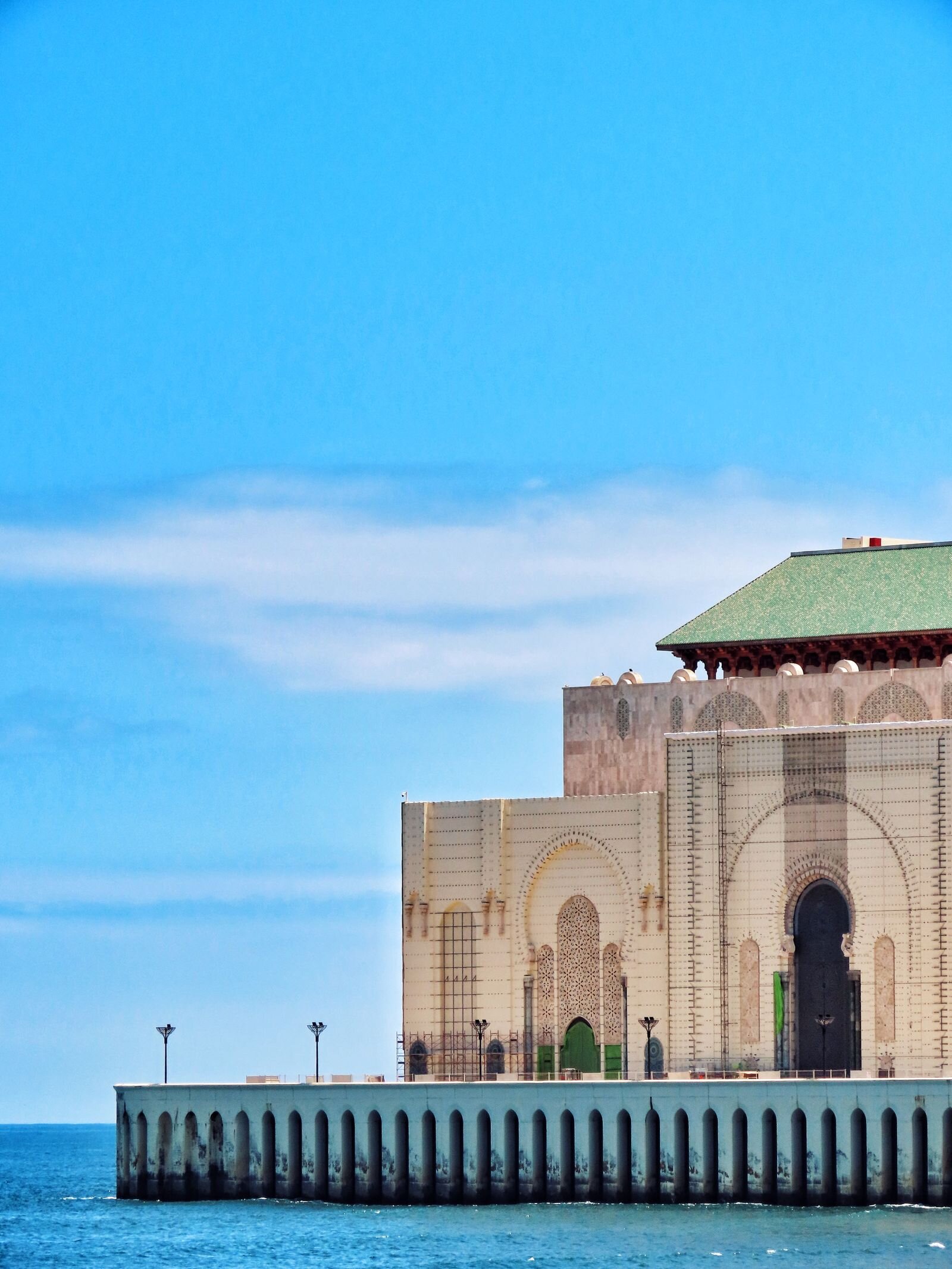
Rabat gets a full morning on this itinerary rather than a photo stop, which is the main structural difference from the 14-day version. The Hassan II Mosque interior is open to non-Muslim visitors on guided tours only and that ticket is not included. The Imlil walk is a couple of hours on village paths; Toubkal is a separate two-day climb. Worth reading before you travel: our month-by-month guide to the best time to visit the Moroccan Sahara, the tested Sahara packing list, what a night in a desert camp is actually like, the Fes medina guide and the Marrakech medina guide.
Overview
Travellers with fifteen days almost always ask the same question: what else can we add? Our answer is usually nothing. The fifteenth day is better spent slowing the circuit down than stretching it further. A good fifteen-day route has fewer stops than a bad ten-day one.
What the slower version actually changes
The extra night goes to Rabat, which on shorter itineraries is a two-hour stop between Casablanca and the Rif — a shame, because it is a UNESCO World Heritage city, inscribed in 2012, with a Roman and Merinid necropolis at Chellah, the Kasbah of the Udayas above the river mouth, and the Hassan Tower, the unfinished minaret of a mosque begun in 1184. It deserves an evening and a morning rather than a photo stop.
Everything else is the full grand circuit with two nights in each city: Chefchaouen, Fes, Marrakech, and two nights in the Erg Chebbi dunes. You unpack once per place. You see every city at two different hours of the day. And there is slack in the schedule, which on a fifteen-day trip is not waste — it is the thing that absorbs a late flight, a stomach upset, or a morning you would rather spend doing nothing.
The route
Casablanca in, Marrakech out, anticlockwise. North up the coast to Rabat, into the Rif for Chefchaouen, south past Roman Volubilis — UNESCO-listed since 1997, mosaics still in the ground — and imperial Meknes to Fes. Down the Ziz Valley to Merzouga and the dunes. West through the Todra Gorge, the Dades Valley and Ait Ben Haddou to Marrakech. Then the High Atlas at Imlil, below Mount Toubkal at 4,167 m, and the Atlantic at Essaouira, UNESCO-listed since 2001.
If you would rather add than slow down
Two honest alternatives. You can add the Atlantic south — Taroudant and the coast below Essaouira — which is quiet and under-visited; note that Agadir was rebuilt after the 1960 earthquake and has no old town to see, so go for the coast rather than the city. Or you can add a second desert, the Draa Valley and Erg Chegaga reached by 4×4. We will build either. Our fifteen-day itinerary guide sets out all three options side by side and says which we would choose.
Which length is right for you
Our guide to how many days you need in Morocco lays out every length from one day to fifteen. The shorter versions of this circuit are the 7-day loop and the 5-day one-way route; the longer ones are the 12-day tour, the 14-day grand tour and the 15-day slower circuit. Fifteen days is the version for people who have decided that doing less, better, is the point.
The individual components, if you would rather book them separately: the 4-day Merzouga tour, the 3-day northern route to Chefchaouen, the 3-day Erg Chegaga tour if you want the second desert, the Imlil day trip and the Marrakech medina day tour.
Practical notes
Rabat gets a full morning on this itinerary rather than a photo stop, which is the main structural difference from the 14-day version. The Hassan II Mosque interior is open to non-Muslim visitors on guided tours only and that ticket is not included. The Imlil walk is a couple of hours on village paths; Toubkal is a separate two-day climb. Worth reading before you travel: our month-by-month guide to the best time to visit the Moroccan Sahara, the tested Sahara packing list, what a night in a desert camp is actually like, the Fes medina guide and the Marrakech medina guide.
Highlights
- Two nights in every city: Rabat, Chefchaouen, Fes, Marrakech
- Two nights in the Erg Chebbi dunes with a full free desert day
- Rabat given an evening and a morning, not a photo stop
- Volubilis, Meknes, the Todra Gorge, the Dades Valley and Ait Ben Haddou
- A night in the High Atlas at Imlil, below Mount Toubkal at 4,167 m
- The Atlantic at Essaouira, UNESCO-listed since 2001
- Slack in the schedule, which on a fifteen-day trip is a feature