March to May and September to November. Spring is the best of the four, with warm days, green valleys in the Atlas and the desert still comfortable. Summer in Marrakech is genuinely punishing — daytime temperatures regularly pass 38 °C and sightseeing becomes an early-morning and after-dark activity. Winter days are pleasant and cheap, but the nights are cold.
That is the short version. Which month is right for you depends less on the city than on what you plan to do from it, so the sections below are organised that way.
Spring: March, April, May
The strongest months, and they are busy for that reason. Days are warm without being oppressive, evenings are comfortable outdoors, and the Atlas valleys are at their greenest after the winter rain. If you want to combine the city with the mountains, this is the window.
April is the peak of it, which means prices and crowds peak too. Late March and early May give you most of the weather with fewer people.
Summer: June, July, August
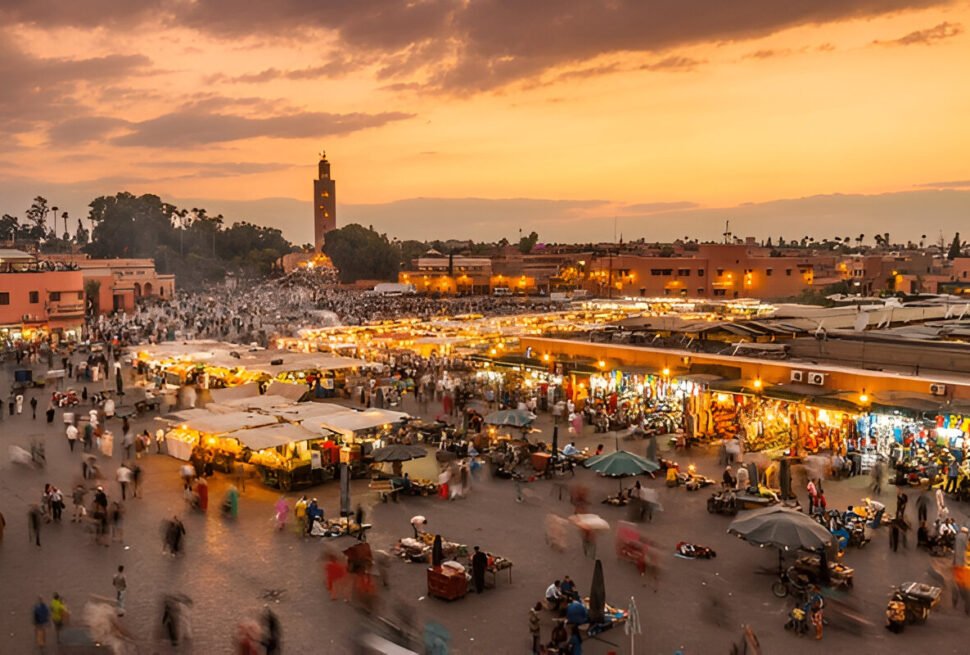
We will be blunt: Marrakech in high summer is hard work. Daytime temperatures regularly exceed 38 °C and the medina has limited shade and no breeze. The city does not stop — it shifts. Locals are out early and late, and the middle of the day belongs to shaded courtyards and pools.
If summer is when you can travel, the trip still works, but plan it differently: medina in the morning, nothing between noon and five, and activities in the evening. A riad with a pool stops being a luxury and becomes infrastructure.
Two destinations improve in summer rather than suffer. The Atlantic coast at Essaouira is reliably cooler and windy, and the High Atlas gains altitude for every hour you drive. Those are the summer day trips worth taking. The deep desert is the one to avoid.
Autumn: September, October, November
Almost as good as spring and often quieter. September still carries summer heat in its first half; October is excellent; November brings the first real rain but also the clearest light of the year and noticeably lower prices.
If we had to pick one month to send a first-time visitor, it would be October.
Winter: December, January, February
Underrated for the city and misunderstood for the desert. Marrakech winter days are mild and bright — comfortable walking weather — and the medina is at its least crowded outside the Christmas and New Year fortnight.
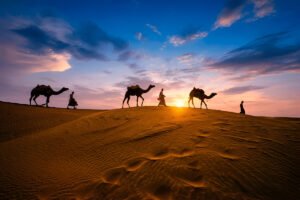
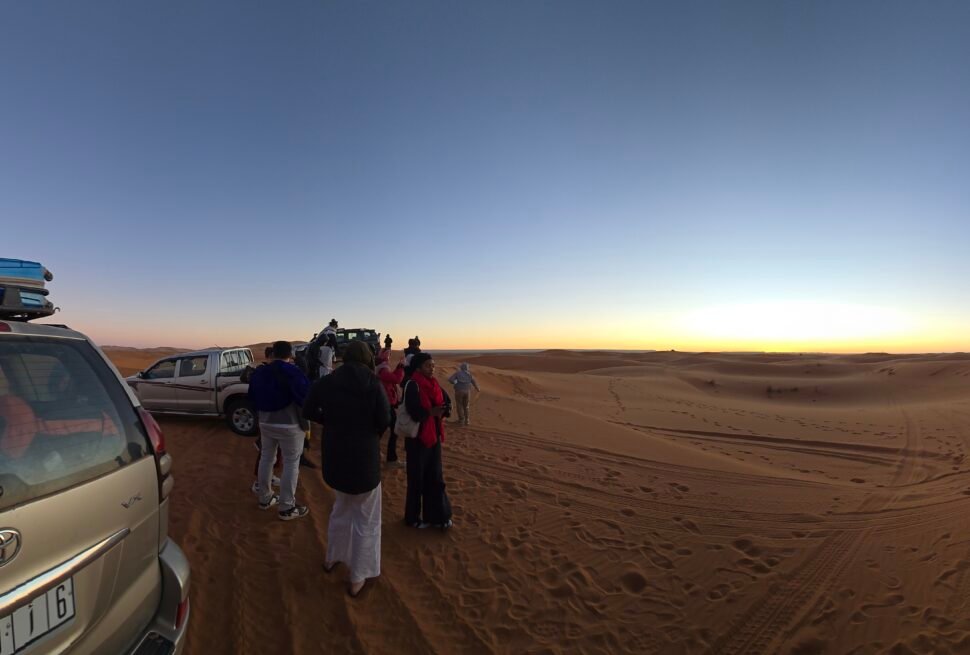
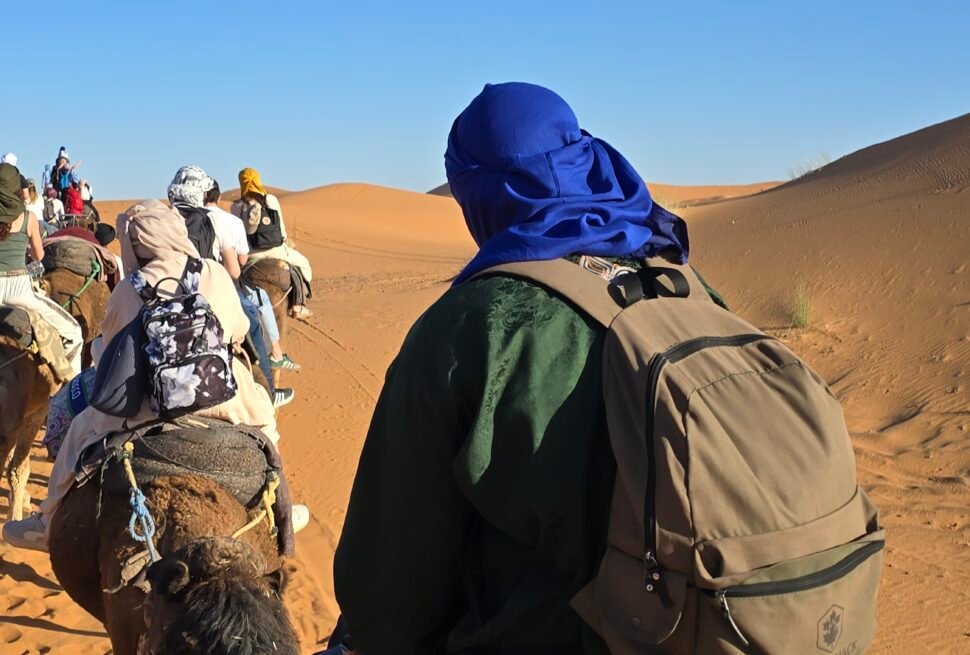
The catch is the temperature drop after dark. Riads are built to stay cool, which means they can be cold in January, so check that yours has heating. And in the Sahara the nights are properly cold: January lows at Merzouga average around 3.5 °C. A desert camp in winter is a beautiful thing with the right clothing and a miserable one without it.
Month by month, at a glance
| Month | City | Best for | Watch out for |
|---|---|---|---|
| January | Mild days, cold nights | Quiet medina, low prices | Unheated riads; cold desert nights |
| February | Mild, variable | Value, almond blossom in the valleys | Rain showers |
| March | Warm, green | Atlas valleys, everything | Getting busy |
| April | Warm, reliable | The best all-round month | Peak crowds and prices |
| mai | Hot by late month | Desert before the summer | Heat building |
| June | Hot | Coast, High Atlas | Medina midday |
| July | Very hot | Essaouira, altitude, pools | Deep desert — avoid |
| August | Very hot | Same as July | Same, plus European holiday crowds |
| September | Hot, easing | Late-month everything | First half still summer |
| October | Warm, clear | Our pick of the year | Little |
| November | Mild, first rain | Clear light, lower prices | Showers; shorter days |
| December | Mild days, cold nights | Quiet, except the holidays | Christmas and New Year spike |
Ramadan: what it means for a visitor
Ramadan moves roughly eleven days earlier each year, so check the dates for your travel year rather than assuming. Visiting during it is perfectly possible and some people prefer it, but the city runs differently: many cafés and restaurants close during daylight, the pace slows markedly in the afternoon, and the streets become extraordinary just after sunset when everyone eats at once.
Tours, transfers and hotels operate normally. Your driver may be fasting, which is worth knowing and not worth commenting on. If you want the city at its most ordinary, avoid it; if you want to see something most visitors never do, come.
Best time for specific things
- Hot air ballooning: year-round at dawn, but flights are cancelled by wind in any season. Never book it for your last morning.
- The High Atlas: spring for green valleys and snow still on Toubkal; summer for escaping the city heat.
- Ouzoud waterfalls: spring, when the snowmelt has the water at its highest.
- Essaouira: summer, when the Atlantic wind is an asset rather than an inconvenience.
- Agafay: any month, but always at the end of the afternoon. There is no shade.
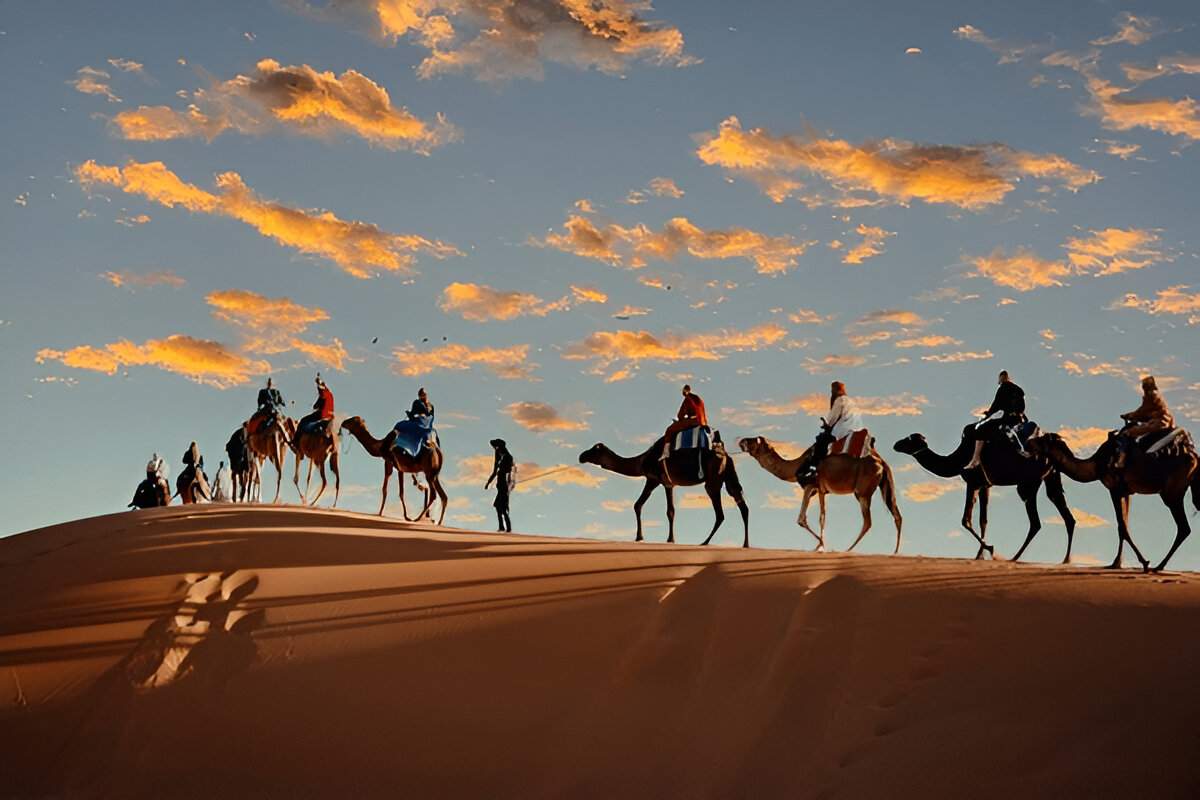
- The Sahara: spring and autumn. Our guide mois par mois du Sahara marocain goes through the desert year in detail.
Common questions
What is the hottest month in Marrakech?
July and August, when daytime temperatures regularly pass 38 °C. The city is still visitable, but only on an early-and-late schedule.
Is it worth visiting Marrakech in winter?
Yes. Days are mild and bright, the medina is quiet and prices drop. Pack layers for the evenings and check your riad has heating.
When is the cheapest time to visit?
January and February, and November outside holiday weeks. Avoid the fortnight either side of New Year, when prices rise sharply.
Does it rain in Marrakech?
Not much, and mostly between November and March. Rain arrives as short heavy showers rather than all-day drizzle. It rarely costs you a day.
What should I pack?
Layers in every season, because the gap between daytime and night is larger than visitors expect. If the desert is on your itinerary, our liste d'affaires éprouvée pour le Sahara covers what actually matters.
Planning around the season
Tell us when you can travel and we will tell you honestly what that month is good for — including when the answer is to swap the desert for the coast. Our comparison of day trips from Marrakech and our guide to how many days you need in Marrakech are the other two pieces of the same planning decision.